Allen's Pier Installation Specialists
Support the slab below active clay
Get a pier installation estimate before settlement turns into wider cracks and harder lift conditions.
Allen's Pier Installation Specialists
Get a pier installation estimate before settlement turns into wider cracks and harder lift conditions.
Piers are used when part of the slab has settled beyond what crack repair or drainage correction can reasonably fix. In Allen, the problem usually starts when expansive clay shrinks during drought and pulls support away from the perimeter. The home loads then need a deeper, more reliable bearing point.
Common pier systems in North Texas include pressed steel piers and helical piers, selected based on load, access, soil conditions, and engineer or contractor recommendation. The pier is installed below the active clay zone until it reaches competent bearing strata, then a bracket transfers the home's weight onto that support.
Installation planning matters because many Allen homes have landscaping, driveways, patios, utilities, and post-tension slabs. Access pits need to be located carefully, and the lift plan should be controlled. Aggressive lifting can crack finishes, bind plumbing, or stress areas that are not part of the original problem.
Pier work should come with a clear scope, pier count, locations, warranty terms, and documentation that helps future buyers understand what was stabilized. For homeowners preparing to list, that paper trail can be as important as the repair itself.
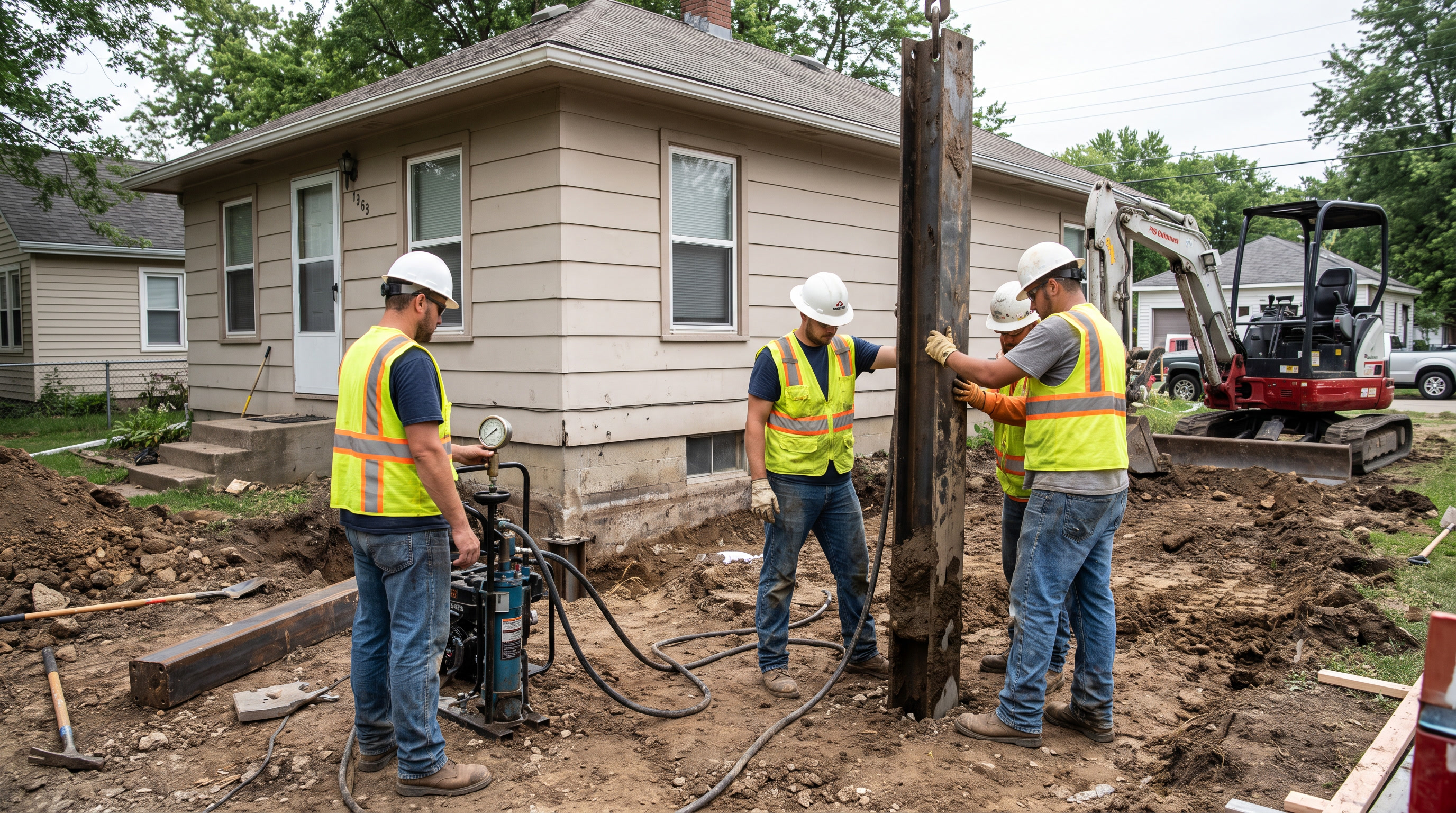
Pier installation supports low areas of the foundation and documents the stabilization work for long-term records.
The contractor evaluates whether steel piers, helical piers, or another support method fits the load and soil conditions. The recommendation should explain why that system makes sense for the measured movement.
Access holes are dug at approved locations, brackets are prepared, and piers are advanced to support-bearing depth. Careful layout helps avoid utilities, landscaping damage, and unnecessary disturbance.
Hydraulic equipment may be used to recover elevation where appropriate. The contractor monitors the structure during lift so the goal stays focused on stabilization, not forcing the house past a practical recovery point.
Homeowners should know what each pier is doing. The contractor match emphasizes pier locations, bearing depth, bracket placement, and warranty coverage in the written scope.
Post-tension slabs, irrigation lines, patios, and tight side yards all affect pier access. The estimate should identify those constraints before excavation begins.
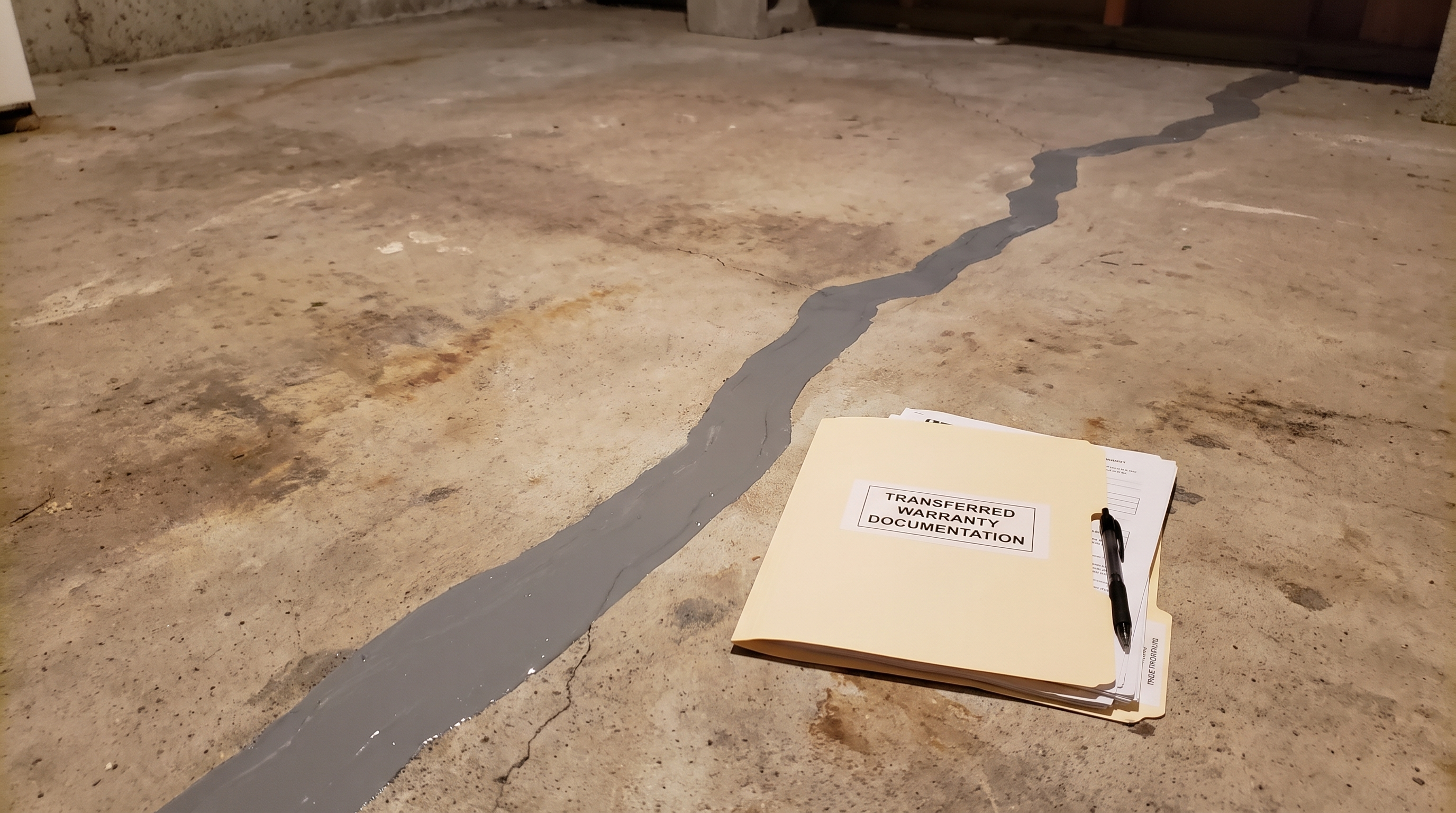
Request a pier estimate that includes locations, method, and warranty language.
Free — no obligations
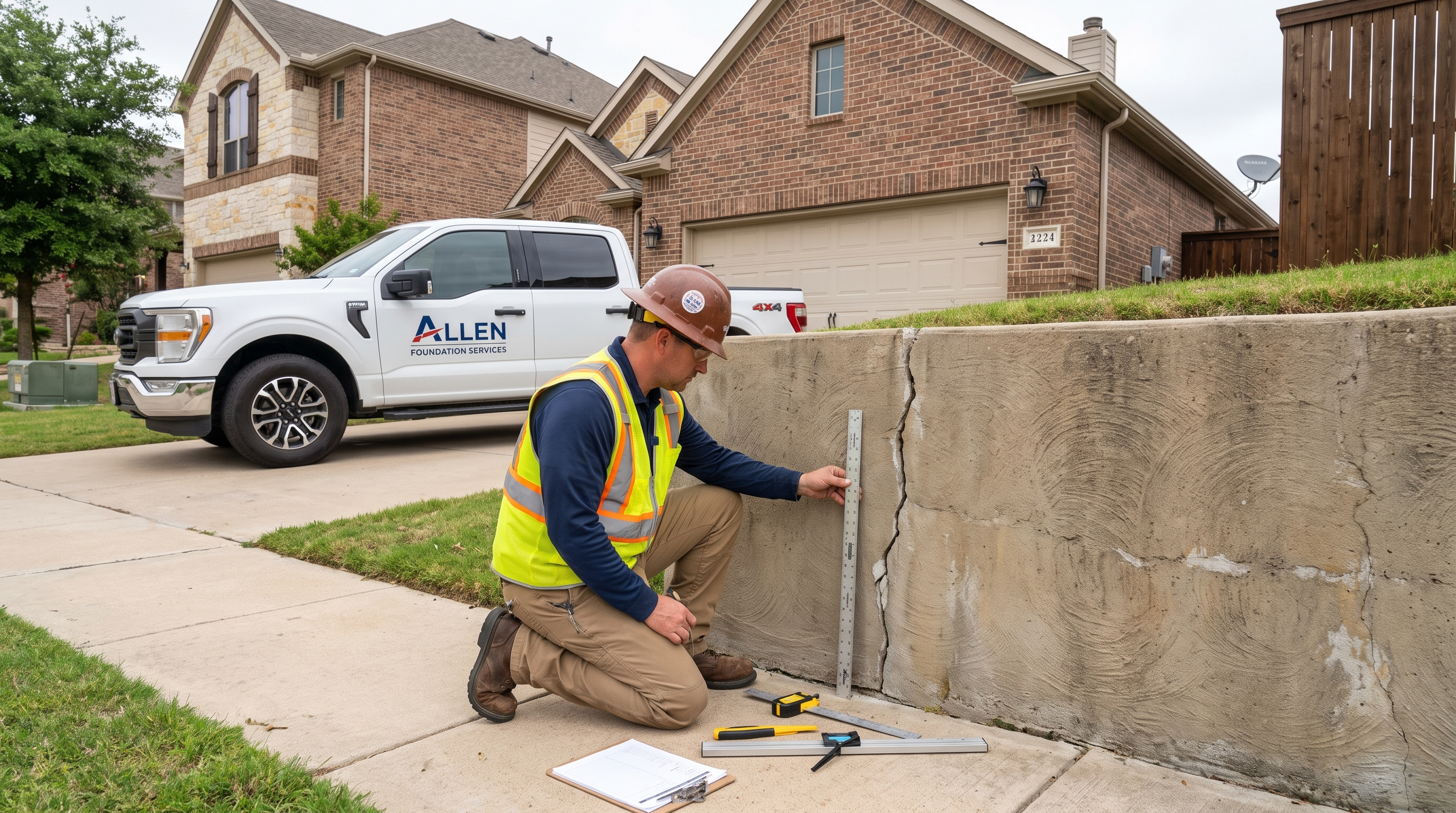
Elevation readings and structural symptoms are reviewed to confirm which areas need support.
Pier locations, utilities, landscaping, concrete flatwork, and post-tension concerns are checked before work starts.
Piers are installed to bearing depth, brackets are set, and controlled lifting or stabilization is completed.
Access areas are closed, the site is cleaned, and the homeowner receives documentation and warranty details.